
Marine Chronicles: Life in a Tide pool
Tidepools of Havelock: Cradles of the Andaman Reef
By Beta Mahatvaraj
Estimated read time: 4-5 minutes
On Havelock Island in the Andaman archipelago, the ocean leaves behind more than just sand when the tide withdraws. In the volcanic rock lining the shoreline, it leaves tidepools - quiet, shimmering pockets that act as miniature worlds. For aquarium enthusiasts, these tidepools offer a chance to look closely at a natural nano-reef. They are compact, rich in life, heavily adapted, and surprisingly full of species that are familiar from our marine tanks.

A Reef in Miniature
The pools here are shallow, with most no deeper than 20 to 40 cm, yet they teem with life. Under the morning light, juvenile fishes weave through rubble and algal mats as the margins slowly navigate the changing water. These pools are where many reef species spend their earliest weeks, feeding, finding shelter and growing before moving towards the main reef. The small scale of these habitats makes their diversity especially easy to observe. A single tidepool can hold a remarkable collection of life within a very confined space.
Specialists of the Intertidal
Tidepools also harbour specialist species rarely encountered elsewhere except by the keenest field naturalists. Among the observations from the session was a stonefish, whose camouflage blended so seamlessly with the substrate that only a faint eye movement betrayed its presence. Tidepools demand resilience, and the stonefish is engineered for it, remaining motionless despite fluctuating temperatures, salinity changes and exposure to air.

Another striking inhabitant was the Gnathophyllum shrimp, described as a brightly patterned shrimp busily working around a sea cucumber. Its brilliant electric hues were reminiscent of prized ornamental shrimp in the hobby.

The Cleanup Crew, Wild Edition
The tidepool also revealed creatures performing the same roles that aquarists value in their tanks. A sea cucumber filtered detritus with rhythmic precision, while a slender-armed serpent starfish reached eagerly from a crevice. These invertebrates form the same roles in tidepools that aquarists value in their tanks. They recycle nutrients, oxygenate substrates, and stabilise the microenvironment.

Nursery Grounds: The Aquarium Connection
For aquarium keepers, it is easy to forget that many of the species admired in aquariums begin their lives in precarious settings like these. Tidepools provide shelter from predators, higher food availability from plankton surges, and microhabitats for developing colours. They are a stepping stone between the pelagic larval stage and the reef.Seeing so many iconic aquarium species in such confined spaces underscores the importance of tidepools to the life cycle of reefs. Understanding these early life histories also reminds us how delicate the wild pipeline is, even for species that appear common in the trade.
A World of Small Discoveries
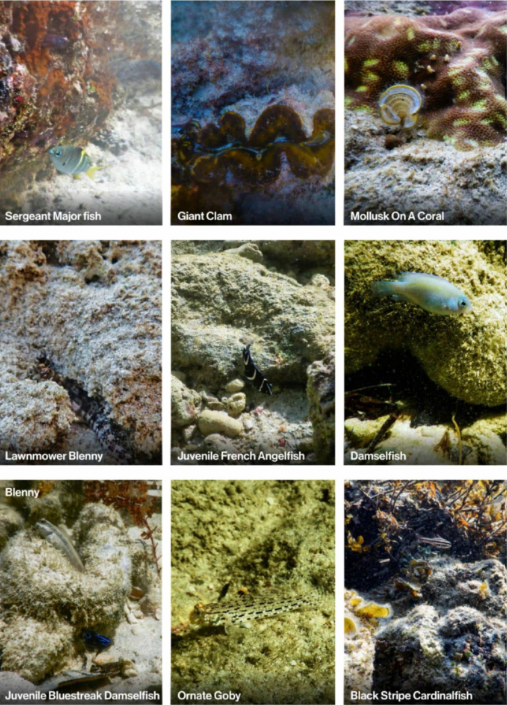
During the photography session, several familiar faces appeared in these shallow waters, including juvenile Koran Angelfish, juvenile Groupers, juvenile Butterflyfishes, juvenile Cleaner Wrasse, Cardinalfishes, Blennies and Damselfishes. Each observation offered another glimpse into how young reef animals use the tidepool environment before moving into larger habitats. Alongside them were species such as Sergeant Major fish, Giant Clams, lawnmower blennies, juvenile French Angelfish, juvenile Bluestreak Damselfish, ornate gobies, black stripe cardinalfish, juvenile tangs, blue-legged hermit crabs, calcareous tubes and other small inhabitants. Together, they reveal just how much life can fit into these temporary pools.
A Quiet Conservation Warning
The tidepools of Havelock remain vibrant, but intertidal zones worldwide are facing pressure. Coastal construction alters drainage, while unregulated tourist traffic compacts rock and crushes juveniles. Pollution accumulates in these pools, and the collection of novelties reduces recruitment. For sustainably minded aquarists, the path forward is clear. We must prioritise captive-bred marine species and support conservation efforts that protect intertidal habitats. We also need to encourage awareness that even small "puddle ecosystems" are part of larger reef health. Without intact tidepools, recruitment to reefs declines, and the reef community becomes poorer from the bottom up.

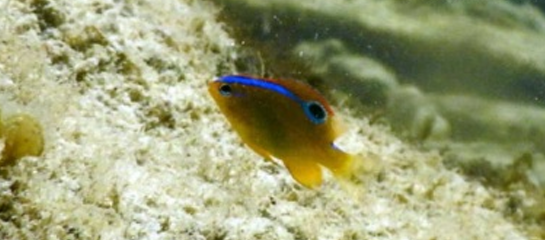
My underwater camera gave up after a later dive, but not before capturing these fleeting worlds. Standing above those tidepools with my lens inches from the water, I felt like I was looking into the first pages of a reef's story. For aquarists and naturalists alike, tidepools are not just curiosities. They are cradles of biodiversity and gateways to the reef. Protecting them ensures that the early life histories of angelfish, wrasses, butterflyfishes and invertebrates continue its ancient rhythm whenever the tide recedes.
Read the full story
The complete feature takes a closer look at the tidepools of Havelock, the juvenile reef species and specialist inhabitants found within them, and the relationship between these natural nursery grounds and the life we see in marine aquariums. Read the complete story in the November 2025 issue of The Weekend Aquarist.
👉Buy this issue or subscribe to The Weekend Aquarist to experience the full story.


Comments